

What Is DLP? A Plain-English Guide for Business Owners
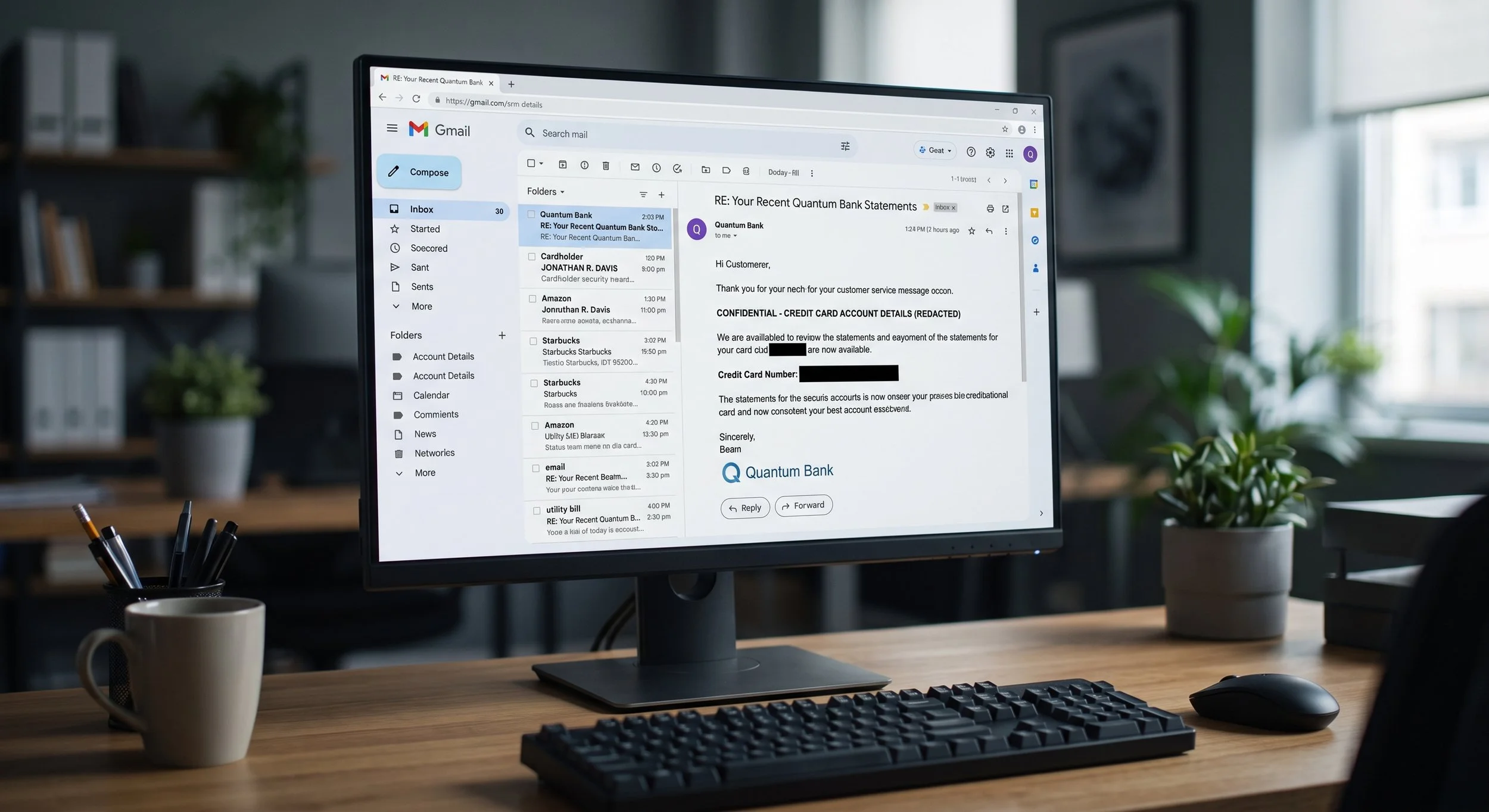
If you've heard the term "DLP" from your IT provider and nodded along without really knowing what it meant, you're not alone. DLP stands for Data Loss Prevention, and it's one of those behind-the-scenes tools that quietly protects your business from some very expensive mistakes.
DLP is technology that watches for sensitive information — things like Social Security numbers, credit card numbers, client contracts, or financial records — and stops that information from leaving your company in ways it shouldn't.
Think of it like a security guard standing at every exit of your business, checking what's in people's bags. Except instead of checking bags, DLP checks emails, file uploads, and USB drives for information that shouldn't be walking out the door.
Why This Matters More Than You Might Think
Most data leaks aren't caused by hackers in hoodies. They're caused by everyday mistakes:
An employee accidentally attaches the wrong spreadsheet to an email — one containing customer credit card numbers instead of the sales report they meant to send.
Someone copies a client list to a personal Google Drive to "work from home" and forgets to delete it.
A well-meaning team member forwards an internal document to their personal email right before their last day.
None of these people meant harm. But the result is the same: sensitive data ends up somewhere it shouldn't be, and now you're dealing with a compliance headache, a upset client, or worse.
What DLP Actually Does
A good DLP system can:
Spot sensitive data automatically — scanning emails and files for patterns like credit card numbers or Social Security numbers, even if no one labeled them as "sensitive."
Block or flag risky actions — like stopping an email mid-send if it contains something it shouldn't, or alerting your IT team when a large batch of files gets copied to a USB drive.
Create a paper trail — so if something does go wrong, you know exactly what happened and when, instead of guessing.
Do You Actually Need This?
If your business handles any of the following, DLP is worth a serious look:
Customer payment information
Employee personal data (SSNs, banking info for payroll, etc.)
Client contracts or proprietary business information
Any data subject to compliance requirements (HIPAA, PCI-DSS, etc.)
In other words — most small and medium-sized businesses. You don't need to be a bank or a hospital for this to matter. A single accidental email can create real financial and reputational damage for a business of any size.
The Bottom Line
DLP isn't about distrusting your employees — it's about building a safety net for the honest mistakes that happen in every workplace. It's a quiet, background layer of protection that only makes noise when something's actually wrong.
If this sounds like something your business could benefit from, reach out to us to find out how we can help.